 Fragranova
Best Amber Fragrances 2026: The Definitive Guide
Amber is one of fragrance's most overused words. We sorted through every amber-forward release to find the ones that actually deliver the warm, resinous, oriental signature people are chasing.
What “Amber” Actually Means
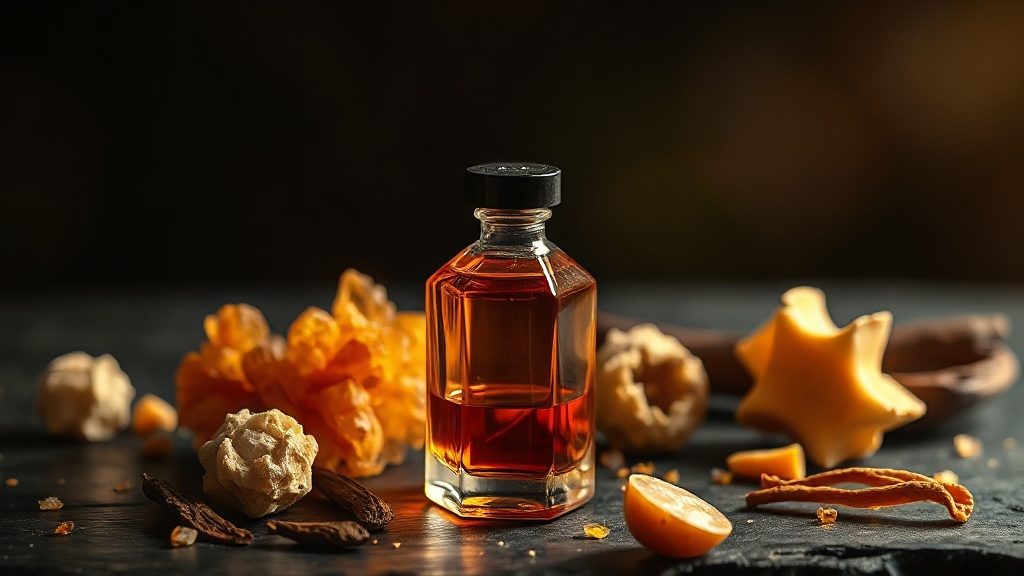
“Amber” in fragrance is the most abused word in perfumery marketing. Almost any warm base composition gets called amber. The actual reference is a specific accord: a blend of labdanum, benzoin, vanilla, and sometimes tonka or styrax, designed to evoke the warm, slightly sweet, resinous quality of historical “amber” perfumes from the 1880s onward.
It is not:
- Ambergris (an animal-source material, smells closer to ambroxan than to amber)
- Ambroxan (a synthetic skin-musk used for projection)
- Amber accord-coded “warm vanilla” releases (those are gourmand-with-amber-marketing)
True amber compositions read warm, slightly powdery, balsamic, and old-world. They’ve been somewhat out of fashion in mainstream releases since 2010, most modern launches use ambroxan for warmth instead, which is faster and cleaner. But classical amber is having a quiet comeback in niche perfumery, and the best releases in the category are some of the most distinctive fragrances available.
This is the guide to the amber releases worth knowing.
The Three Amber Families
Classical amber is the labdanum-benzoin-vanilla blend. Warm, slightly powdery, often slightly leathery. Vintage-coded. Best for cool weather and evenings.
Spicy amber adds cinnamon, clove, or cardamom to the classical base. Common in oriental compositions. More aggressive than classical amber but still distinct from gourmand.
Resinous amber leans hard on labdanum, frankincense, and myrrh. The “incense” direction. Often unisex, often slightly church-coded. The most modern of the three families.
1. Serge Lutens Ambre Sultan, The Reference Pick
Ambre Sultan is the reference amber for serious enthusiasts. Launched in 2000 and unchanged since, it’s a spicy-amber composition where bay leaf, oregano, and marjoram open onto a heart of amber, labdanum, and benzoin, all anchored on a base of myrrh and patchouli.
The herbal opening throws people. Stay with it, within twenty minutes the amber starts emerging, and within an hour you’re in the warmest, most resinous amber territory in modern perfumery. Performance is excellent (10+ hours, moderate sillage).
This is not a beginner amber. It is the amber you grow into.
Best for: Cool weather evenings, experienced wearers, anyone serious about understanding the amber accord.
2. Tom Ford Amber Absolute, The Modern Reference
Tom Ford Amber Absolute (part of the Private Blend collection) is the modern luxury-tier amber. It’s bigger, sweeter, and more accessible than Ambre Sultan. Labdanum, vanilla, incense, and labdanum (yes, twice) carry the composition; benzoin and tobacco round out the base.
Performance is beastly (12+ hours, projects loud for the first three hours). Sillage stays heavy throughout. This is the amber to wear when you want to be smelled. Not subtle, but stunningly executed.
The catch: $400+ for 50ml, and the Private Blend line has periodic discontinuations and re-releases that can make availability complicated.
Best for: Cool weather, evenings, when you want a statement amber. Skip if you want anything resembling subtle.
3. Bvlgari Black, The Cult Pick
Bvlgari Black was launched in 1998 as a unisex composition and developed a cult following before being discontinued in the late 2010s and intermittently brought back. It’s a rubber-tea-amber composition that should not work on paper, the opening genuinely smells of rubber tire, but settles into one of the most distinctive amber dry-downs ever produced.
If you can find it, the warm vanilla-amber-musk base hour two onward is what justifies the cult reputation. Performance is strong (8+ hours). Sillage is moderate.
Best for: Collectors, vintage-fragrance enthusiasts, anyone willing to accept a polarizing opening for a brilliant base. Not for beginners.
4. Amouage Jubilation XXV, The Niche Heavyweight
Amouage Jubilation XXV is the Omani luxury house’s amber-oud heavyweight. Tarragon, frankincense, and Davana open it. Rose, orchid, immortelle, and labdanum carry the heart. The base is amber, patchouli, leather, and oud.
It reads classical amber for the first two hours, then transitions into oud-amber territory. Performance is enormous (12+ hours, heavy projection). This is the amber for special occasions, weddings, formal events, anywhere you want unmistakable presence.
Best for: Formal evenings, cool weather, anyone with budget for serious niche ($400+ for 100ml).
5. Annick Goutal Ambre Fétiche, The Powdery Pick
Ambre Fétiche is the powdery-amber benchmark. Incense and bergamot open it. Labdanum, styrax, and benzoin carry the heart. Iris, leather, and styrax (again) anchor the base.
The powdery quality is the key, this is amber with the soft, slightly cosmetic feel of vintage perfumery rather than the resinous depth of Ambre Sultan. It reads feminine but works unisex. Performance is moderate (6-8 hours).
Best for: Fall and winter, daytime amber wear (rare combination), anyone who finds Ambre Sultan too dense.
6. Mancera Aoud Cafe, The Value Amber
If $400 amber budgets aren’t happening, the niche-adjacent value tier has some credible amber compositions. Mancera Aoud Cafe is amber-and-coffee, bergamot and apple open, but the heart and base are dominated by amber, oud, and coffee.
It’s louder than the classical amber picks above. Performance is excellent for the price (8-10 hours, strong projection). Not a beginner amber but a credible introduction to amber-oud territory under $150.
Best for: People who want amber-oud impact without niche-tier pricing. Wear with confidence in cool weather.
7. Guerlain Shalimar, The Historical Pick
Shalimar is the original amber-oriental, launched in 1925. The contemporary formulation isn’t what it was in 1925 (no fragrance is), but it remains one of the most influential amber-vanilla compositions ever made. Bergamot and lemon open it. Iris, jasmine, and rose carry the heart. Vanilla, opoponax, tonka, and amber dominate the base.
It reads vintage. Some wearers love that. Others find it dated. Performance is strong (8-10 hours). Sillage is moderate to strong.
Best for: Anyone interested in fragrance history. The amber-vanilla DNA in Shalimar is the genetic ancestor of every modern gourmand and most modern amber compositions.
What “Amber” Releases To Skip
A few notes on marketing-amber that isn’t actually amber:
- Most designer “amber” releases launched after 2015 are ambroxan-vanilla compositions marketed as amber. They’re warm, but they’re not the labdanum-benzoin classical accord. Read community notes carefully.
- “Amber Oud” releases from Middle-Eastern houses are often closer to oud-vanilla than true amber. Sometimes excellent, but understand what you’re buying.
- Body sprays and body splashes labeled “amber” are almost universally fragrance-water with no real amber accord.
How To Wear Amber
Amber is a cool-weather and evening fragrance family. The warmth amplifies pleasantly in cold air; in heat it goes cloying within minutes. Most amber releases also project more than you’d expect, two sprays is typically plenty.
The classical amber compositions (Ambre Sultan, Amber Absolute) pair best with formal or semi-formal attire, they’re not naturally weekend-coded. The resinous amber releases (Jubilation, Amber Fétiche) can work more casually but still skew evening.
Quick Picks By Goal
- Best classical amber: Ambre Sultan
- Best modern luxury amber: Amber Absolute
- Best niche heavyweight: Jubilation XXV
- Best powdery amber: Ambre Fétiche
- Best value pick: Mancera Aoud Cafe
- Best historical pick: Shalimar
For more amber-forward releases across price tiers, browse the full community-rated amber category on Fragranova or jump to our amber accord page.