 Fragranova
Best Fragrances for Beginners: Where to Start Your Scent Journey
New to fragrances? This guide covers everything you need to know, from fragrance families and concentrations to tips for finding your first signature scent.
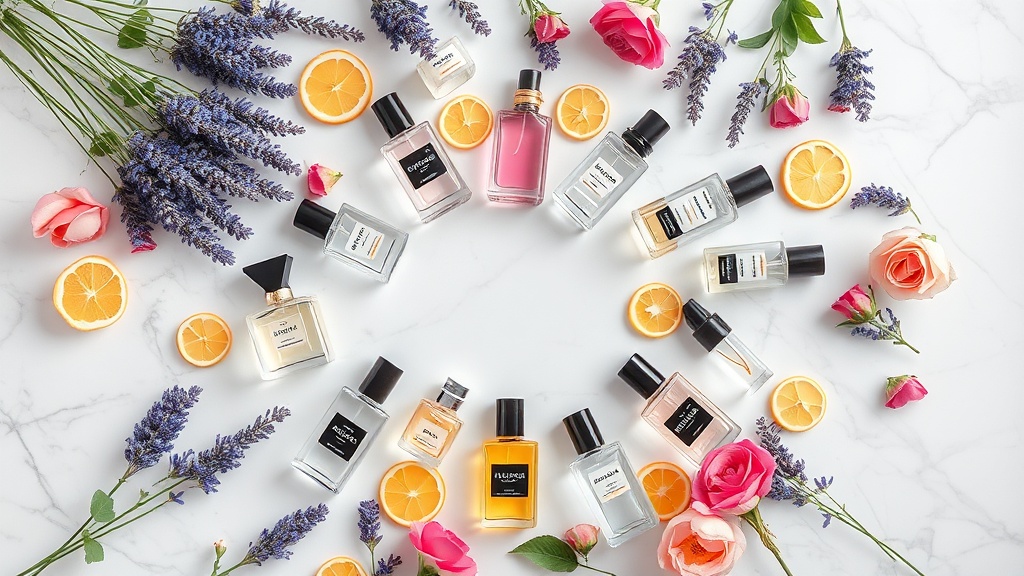
Why Fragrances Matter
Fragrance is one of the most personal forms of self-expression. Unlike clothing or accessories, scent is invisible, it creates an impression that lingers in memory. Starting your fragrance journey can feel overwhelming with thousands of options available, but understanding a few fundamentals makes it much easier.
Understanding Fragrance Concentrations
Before picking a scent, it helps to know what you’re buying. Fragrances come in different concentrations, which affect how long they last and how strong they project:
- Eau de Cologne (EdC), 2-4% fragrance oil. Light and refreshing, lasting 1-2 hours. Great for a quick spritz.
- Eau de Toilette (EdT), 5-15% fragrance oil. The most common type, lasting 3-5 hours. A solid everyday choice.
- Eau de Parfum (EdP), 15-20% fragrance oil. Richer and longer-lasting (6-8 hours). The sweet spot for most people.
- Parfum / Extrait de Parfum, 20-30% fragrance oil. The most concentrated and expensive, lasting 8+ hours.
For beginners, Eau de Parfum is often the best starting point, it lasts long enough to be worth the investment without being overpowering.
The Four Main Fragrance Families
Every fragrance belongs to one or more scent families. Knowing which families appeal to you narrows your search dramatically:
Fresh
Clean, light, and energizing. Think citrus fruits, ocean breezes, and green leaves. These are universally crowd-pleasing and great for warm weather or office wear. Common notes include bergamot, lemon, grapefruit, and marine accords.
Floral
The largest and most diverse family. Ranges from single-flower soliflores (pure rose, jasmine, or lily) to complex bouquets. Not just for women, many modern men’s fragrances incorporate floral notes like iris, violet, and geranium.
Woody
Warm, grounding, and sophisticated. Built around notes like sandalwood, cedar, vetiver, and oud. Woody fragrances tend to feel mature and versatile, working well in both casual and formal settings.
Oriental (Amber)
Rich, warm, and often sweet. Features notes like vanilla, amber, incense, and spices. These tend to be evening or cold-weather fragrances, though lighter orientals can work year-round.
Tips for Your First Fragrance Purchase
-
Sample before you buy. Never blind-buy an expensive fragrance based on reviews alone. Scent is deeply personal, what smells amazing on one person may not work on your skin.
-
Test on skin, not paper. Fragrance strips give you a rough idea, but your skin chemistry changes the scent. Spray on your wrist, wait 30 minutes, and see how it develops.
-
Don’t rush the decision. A fragrance has three stages: top notes (first 15 minutes), heart notes (30 minutes to 2 hours), and base notes (2+ hours). The base is what you’ll actually smell like most of the day.
-
Start with versatile scents. Look for fragrances described as “versatile” or “all-occasion.” These tend to be clean, not too heavy, and inoffensive, perfect while you develop your preferences.
-
Consider the season. Lighter, fresher scents work better in heat; richer, warmer scents shine in cold weather. If you’re buying just one, aim for something that bridges seasons.
-
Use discovery sets. Many fragrance houses sell sample sets or discovery kits. This is the most cost-effective way to try multiple scents before committing to a full bottle.
Common Beginner Mistakes to Avoid
- Over-spraying. 2-3 sprays is enough for most fragrances. You want people to notice when they’re close, not from across the room.
- Storing incorrectly. Keep fragrances away from direct sunlight, heat, and humidity. A cool, dark drawer or closet is ideal.
- Chasing compliments. The best fragrance for you is one you love wearing, not the one with the most online hype.
- Ignoring longevity expectations. Some fragrances are designed to be light and short-lived. That doesn’t make them bad, it makes them different.
Building Your Collection Over Time
You don’t need 50 bottles to enjoy fragrances. A thoughtful rotation of 3-5 fragrances can cover most situations:
- One daily driver, a versatile, office-safe scent
- One warm weather option, fresh and light
- One cold weather option, rich and cozy
- One evening/date scent, something with more presence
- One wildcard, whatever makes you happy
Start slow, sample widely, and trust your nose. The fragrance world rewards curiosity and patience.
What’s Next?
Once you’ve found a few scents you love, explore our guide to fragrance notes to understand why you’re drawn to certain smells. And check out our longevity tips to get the most out of every spray.