 Fragranova
Understanding Fragrance Notes: The Complete Guide to Top, Heart & Base
Learn how the fragrance pyramid works, top notes, heart notes, and base notes, and why understanding them helps you choose better perfumes.
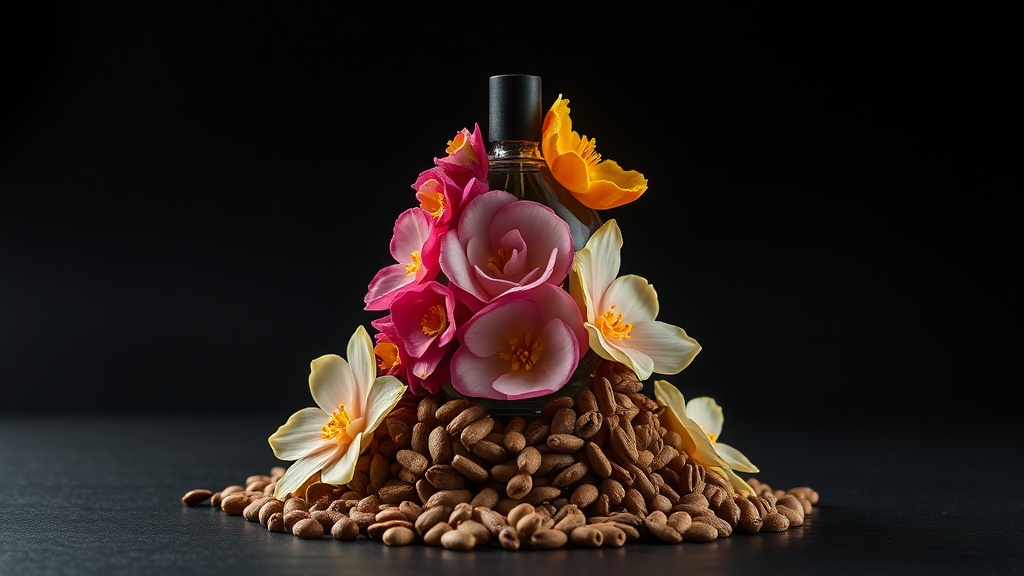
What Are Fragrance Notes?
When perfumers create a fragrance, they don’t just throw ingredients together. They compose a carefully layered structure called the fragrance pyramid, a three-tier system where different ingredients are designed to emerge at different times after application.
These tiers are called notes, and understanding them transforms how you shop for, wear, and appreciate fragrance.
The Fragrance Pyramid
Imagine a triangle divided into three horizontal sections:
- Top notes, the narrow peak (first impression)
- Heart notes, the wide middle (the core character)
- Base notes, the broad foundation (the lasting impression)
Each layer has a purpose, a timeline, and a role in how the fragrance smells on your skin.
Top Notes (0-30 Minutes)
Top notes are the first thing you smell when you spray a fragrance. They’re made from light, volatile molecules that evaporate quickly, typically within the first 15-30 minutes.
Purpose: Create an immediate, attention-grabbing first impression.
Common top notes include:
- Citrus, bergamot, lemon, grapefruit, mandarin, blood orange
- Light fruits, apple, pear, blackcurrant
- Fresh herbs, basil, mint, lavender (lighter varieties)
- Light spices, pink pepper, ginger, cardamom
- Aldehydes, synthetic molecules that add a clean, sparkling quality
What to know: Top notes are what you smell on a test strip or in the first minute after spraying. They’re pleasant but not representative of how the fragrance will actually smell after 30 minutes. This is why the golden rule of fragrance sampling is: wait before you judge.
Heart Notes (30 Minutes - 4 Hours)
Also called middle notes, the heart is the core identity of the fragrance. These notes emerge as the top notes fade and form the longest-lasting “body” of the scent.
Purpose: Define the main character and theme of the fragrance.
Common heart notes include:
- Florals, rose, jasmine, ylang-ylang, iris, tuberose, peony
- Spices, cinnamon, nutmeg, clove, saffron
- Aromatic herbs, geranium, lavender (richer varieties), sage
- Fruits, fig, plum, raspberry, peach
- Soft woods, birch, rosewood
What to know: The heart notes are what you’ll smell for most of the day. When people describe a fragrance’s character, “it’s a warm floral” or “it’s a spicy aromatic”, they’re usually describing the heart.
Base Notes (2-12+ Hours)
Base notes are the foundation. Made from heavy, large molecules that evaporate slowly, they emerge gradually and linger the longest, often for hours after the top and heart notes have faded.
Purpose: Provide depth, warmth, and longevity. They anchor the lighter notes above them.
Common base notes include:
- Woods, sandalwood, cedar, oud (agarwood), patchouli, vetiver
- Resins & balsams, amber, benzoin, labdanum, myrrh, frankincense
- Musks, white musk, skin musks (mostly synthetic today)
- Vanilla, one of the most popular base notes in modern perfumery
- Animalic, castoreum, civet, ambergris (mostly synthetic recreations)
- Moss, oakmoss, tree moss
What to know: Base notes are why two fragrances with identical top notes can smell completely different after a few hours. The base is where the real craftsmanship lives, it determines longevity, projection, and the “skin scent” you’re left with at the end of the day.
How Notes Work Together
The pyramid isn’t a rigid sequence, it’s a gradual transition. At any given moment, you’re smelling a blend of all three layers, just in different proportions:
- Minutes 0-15: Mostly top notes, with hints of heart
- Minutes 15-60: Top notes fading, heart emerging strongly
- Hours 1-3: Full heart notes, base notes starting to appear
- Hours 3+: Heart fading, base notes dominating
- Hours 6+: Mostly base notes (the “skin scent”)
This is why perfumers talk about drydown, the phase when a fragrance settles into its base notes. The drydown is often the most beautiful part of a well-crafted fragrance.
Why This Matters When Choosing Fragrances
Understanding the note pyramid helps you in several practical ways:
1. Don’t Judge on First Spray
That initial citrus blast might be wonderful, but it’ll be gone in 20 minutes. What matters more is the heart and base. Always test a fragrance for at least 30 minutes, ideally a few hours, before deciding.
2. Read Note Breakdowns
When browsing fragrances (including here on Fragranova), you’ll see notes listed by tier. Use this to predict whether you’ll like a fragrance:
- Love sandalwood and vanilla? Look for fragrances with those in the base.
- Hate patchouli? Skip anything with patchouli in the base, it’ll be with you all day.
3. Understand Seasonal Preferences
- Spring/Summer favorites tend to emphasize top notes (citrus, fresh) with lighter bases
- Fall/Winter favorites tend to have bolder heart notes (spice, rich florals) and heavier bases (oud, amber, vanilla)
4. Build a Vocabulary
Instead of “I want something that smells good,” you can say “I’m looking for something with a bergamot opening, a floral heart, and a sandalwood base.” This makes recommendations from friends, sales associates, or search tools much more useful.
Common Note Families Explained
Citrus
Bright, zesty, energizing. Extracted from fruit peels. Always a top note. Examples: bergamot, lemon, grapefruit, neroli (from bitter orange blossoms).
Floral
The backbone of perfumery. Can be light and airy (lily of the valley) or heavy and intoxicating (tuberose, jasmine). Usually in the heart, sometimes in the base.
Woody
Warm and grounding. Sandalwood is creamy and smooth. Cedar is dry and clean. Oud is dark and complex. Mostly base notes.
Amber / Oriental
A warm, sweet, resinous quality. Not actually from amber (the stone), it’s a perfumery accord typically made from vanilla, benzoin, and labdanum. Always a base note.
Musk
Clean, warm, skin-like. Modern musks are almost entirely synthetic (original animal musk is rarely used). They’re invisible but essential, most fragrances use them in the base for smoothness and longevity.
Gourmand
Edible-smelling notes: chocolate, coffee, caramel, honey, praline. A relatively modern category. Usually in the heart or base.
A Note About Natural vs. Synthetic
Modern perfumery relies heavily on synthetic molecules, and that’s not a bad thing. Synthetics allow perfumers to:
- Create scents that don’t exist in nature
- Produce consistent results batch after batch
- Avoid harmful or unsustainable natural ingredients
- Make fragrance more affordable
Many of the most celebrated modern fragrances are built on synthetic molecules like Iso E Super (a warm, woody, skin-scent molecule), Ambroxan (clean ambergris replacement), and Hedione (a fresh jasmine-like molecule).
“Natural” doesn’t automatically mean better, and “synthetic” doesn’t mean cheap or artificial-smelling.
Start Exploring
Now that you understand how fragrance notes work, browse our fragrance encyclopedia to explore specific notes and see which fragrances feature them. If you’re new to the world of scent, check out our beginner’s guide for practical tips on finding your first fragrance.